Mandatory standards for the closed-loop economy

New rules and a clear direction for packaging — with major implications for material selection, labeling, and documentation.

About the PPWR

The new Packaging and Packaging Waste Regulation (PPWR) creates far-reaching challenges for companies. What roles and obligations will apply? And how can they be implemented efficiently in practice? We can help you get to grips with key PPWR requirements early on and adapt your packaging solutions accordingly.

Our packaging solutions are robust, extremely durable, and geared toward clear labeling and design for recycling. We also provide relevant technical information about our packaging solutions. Our FAQ provides initial guidance on key PPWR terms, roles, and deadlines.

What requirements must be met under the PPWR?

The Packaging and Packaging Waste Regulation ((EU) 2025/40), also known as the EU Packaging and Packaging Waste Regulation, aims to reduce the environmental impact of packaging. The obligations arising from the PPWR must be met from August 12, 2026. These include the future market-access requirements set out in Articles 5 to 12. For packaging to be placed on the market, it must meet the following requirements, among others:

Minimization of substances of concern (e.g. PFAS, lead)

Recyclability and minimum recycled content (from 2030)

Compliant labeling for clear identification

Reduction of both weight and volume to the minimum required

Your path to PPWR-compliant packaging

The future requirements for market access are not the only PPWR provisions reflected in our design and material choices. We are also well prepared for the regulation’s other requirements.

Our packaging is generally made from a mono-material, making it easy to recycle

Our wide range of product sizes and the adjustable length of certain products help keep unused space to a minimum

We regularly review the information provided by our raw material manufacturers regarding substances of concern

Established recycling streams already exist for most of the plastics we use

Our smart designs keep material use to a minimum

We provide the relevant technical information you need for documentation and assessment

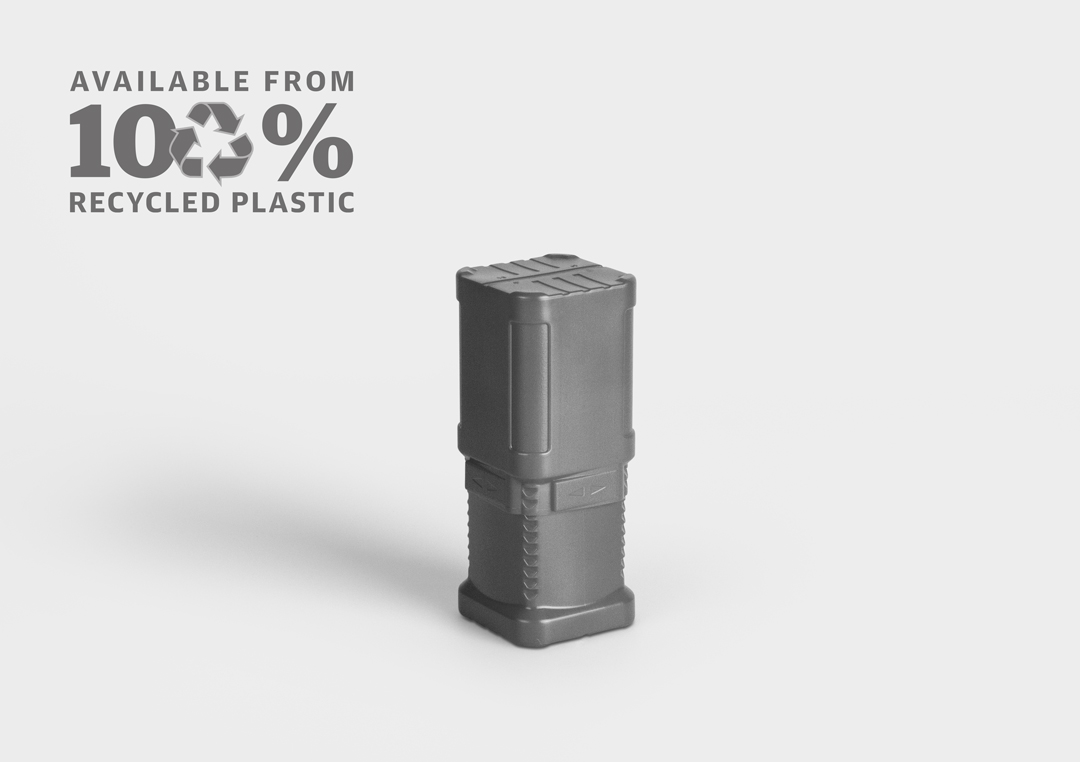
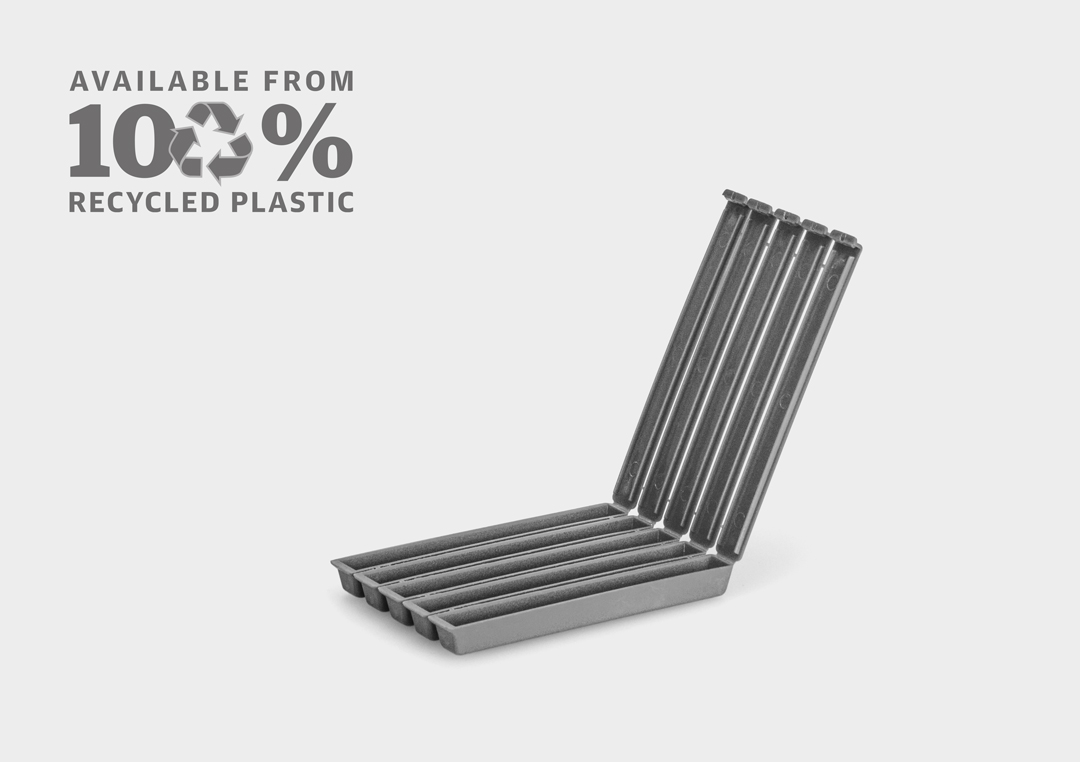
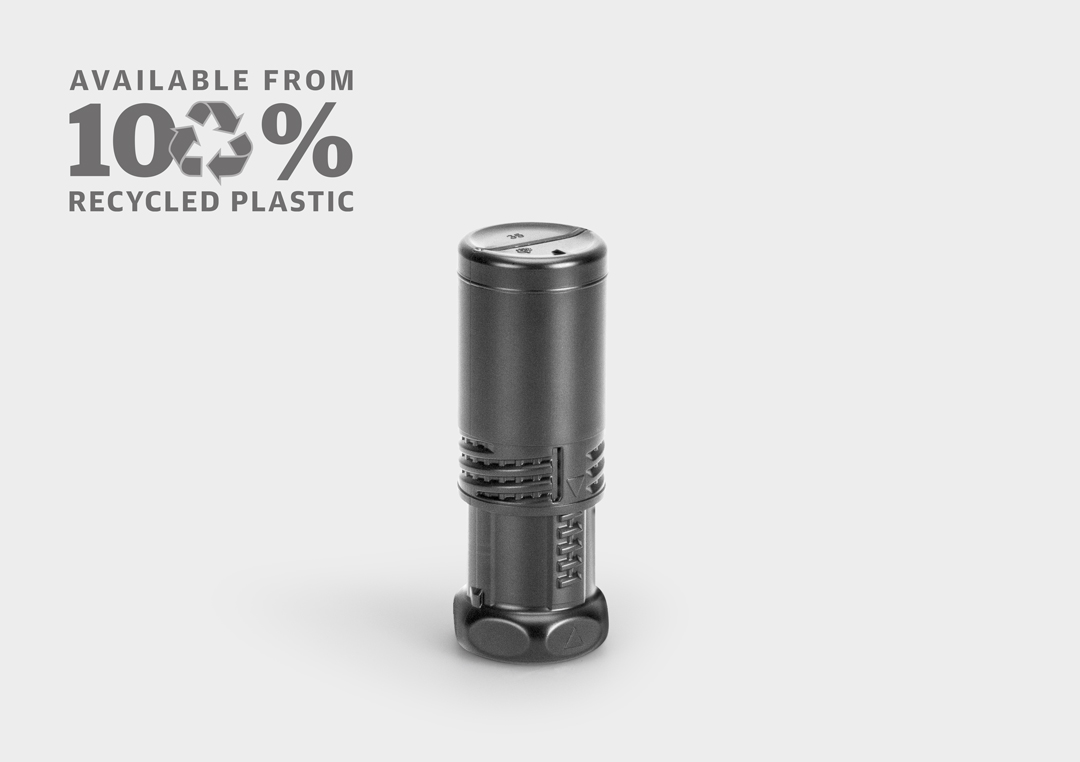
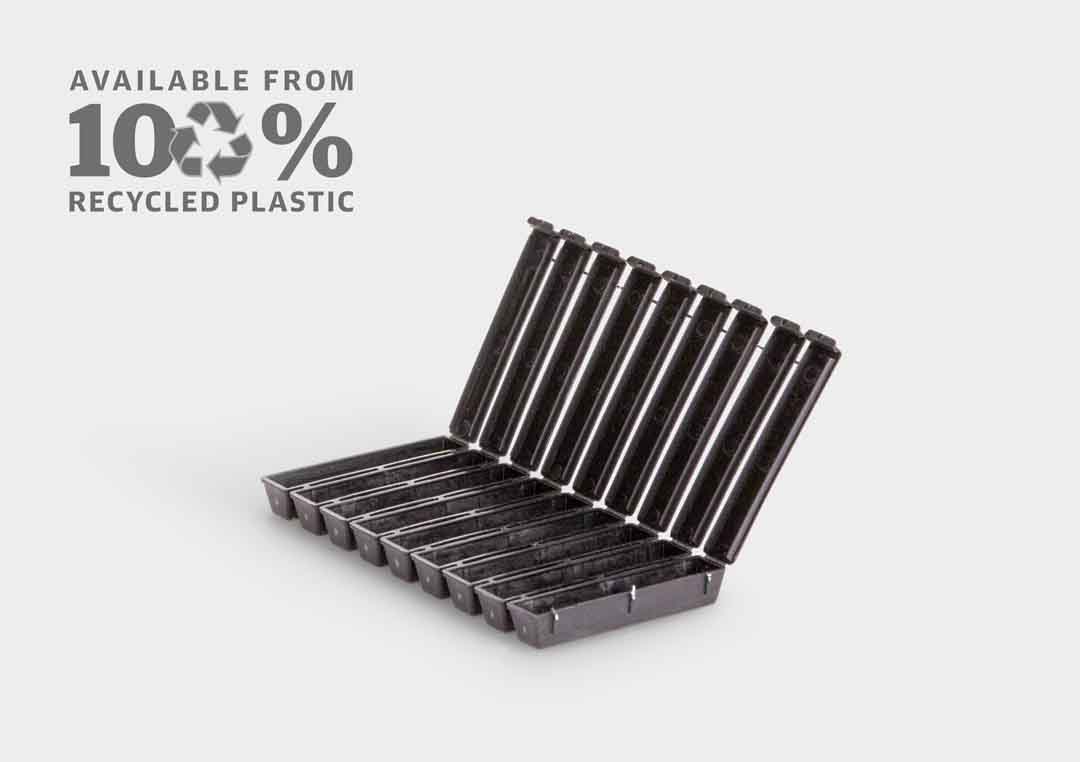
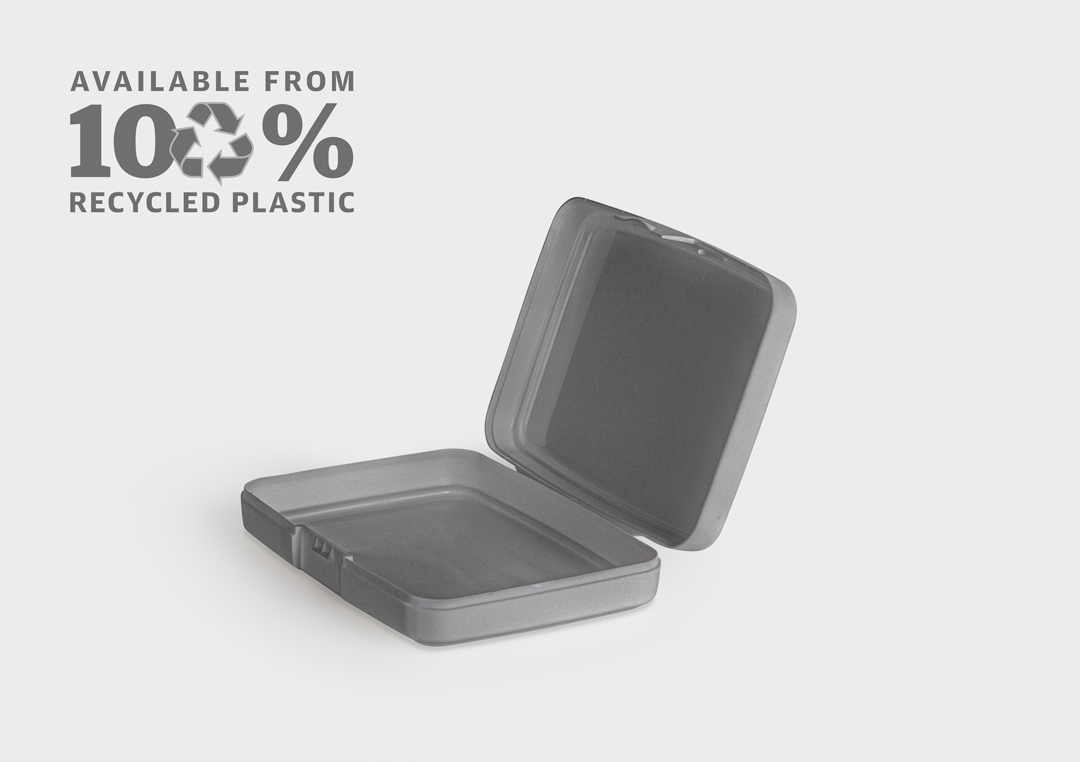
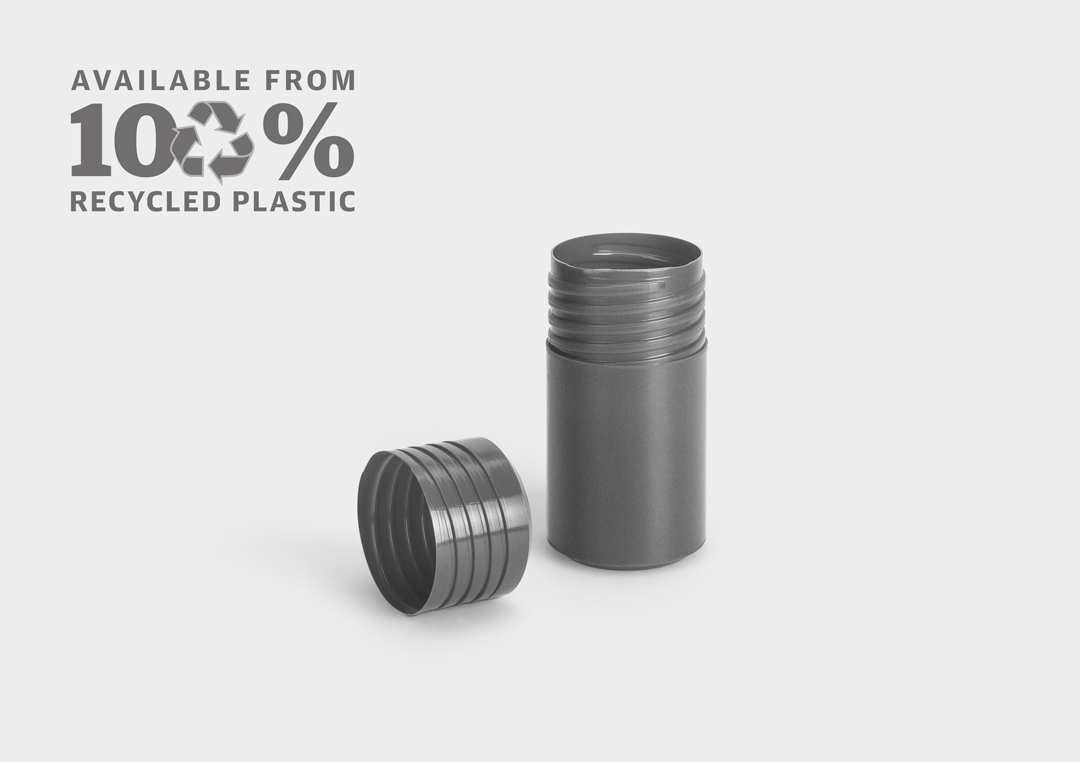
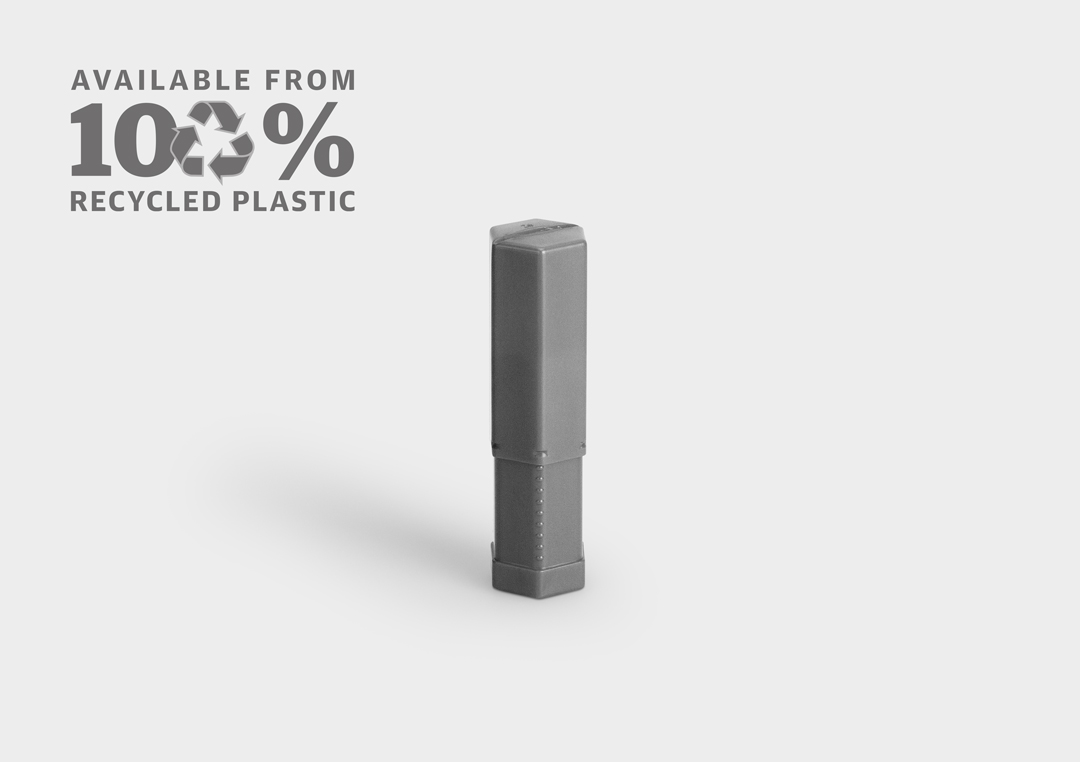
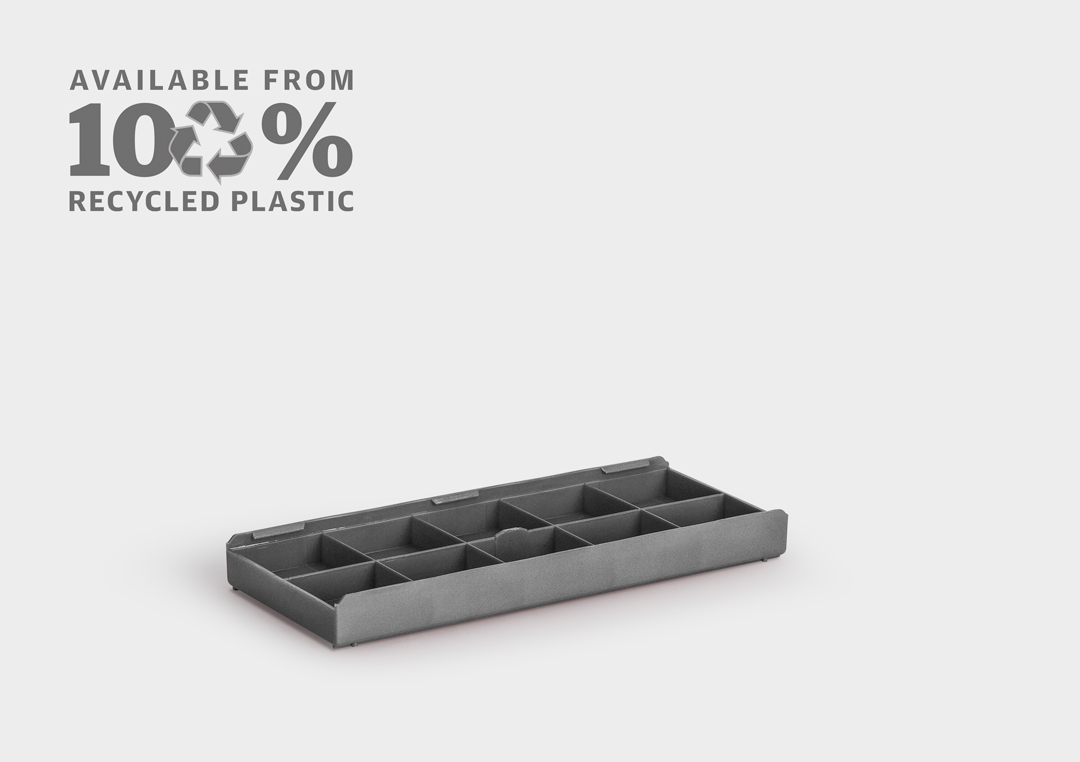
Almost all of our products are already available in versions made from recycled material

Even with minimal material use, our packaging provides reliable product protection
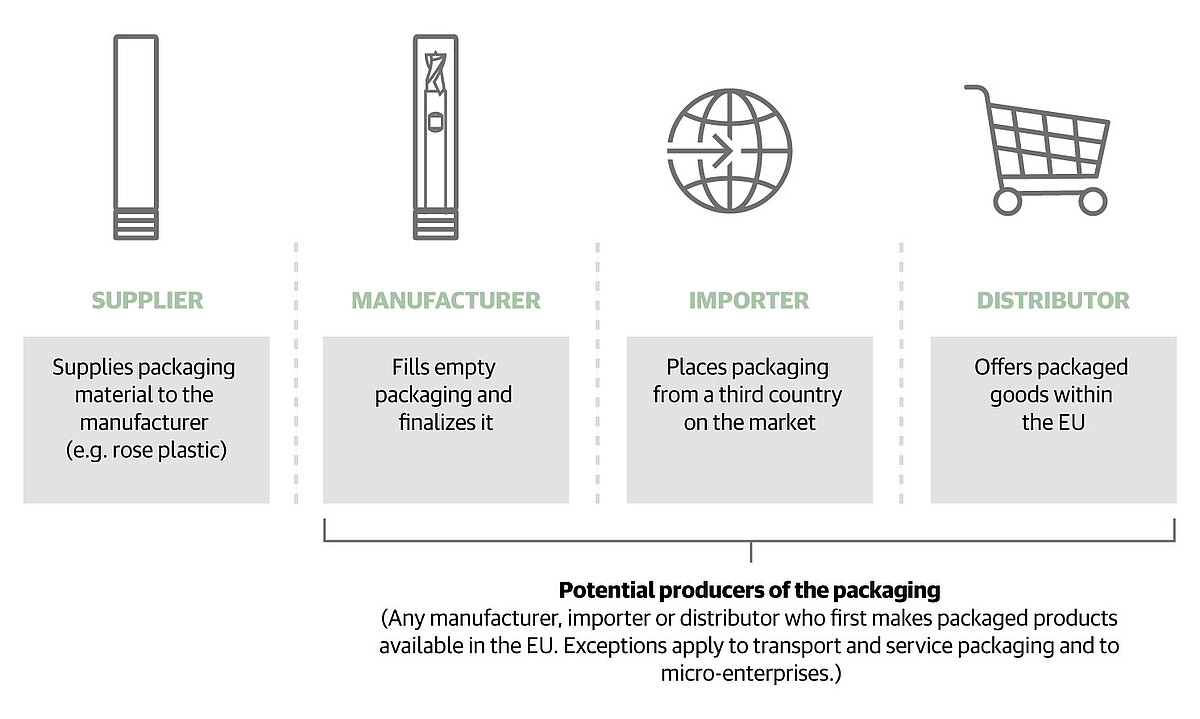
Roles and obligations under the PPWR

The PPWR assigns one or more roles to each market participant. Each role is associated with specific obligations that must be met. It is therefore essential to correctly identify your own role.

  • The manufacturer is responsible for the technical conformity of the packaging and must ensure that it complies with the sustainability and labeling requirements set out in Articles 5 to 12
  • Documenting compliance with the requirements in the declaration of conformity for each packaging type
  • Preparing the technical documentation as part of the declaration of conformity
  • Labeling the packaging as required to identify the packaging and the manufacturer
  • Under the extended producer responsibility (EPR) regulations, the producer is responsible for registration, reporting, and financing obligations in the respective Member States
  • Registration in national packaging registers or appointment of an authorized representative if no subsidiary exists
  • Annual reporting of the quantities of packaging placed on the market
  • Application to the competent authority for authorization to provide evidence of compliance with extended producer responsibility obligations
  • Financial contribution to cover the costs of the relevant waste management activities in each Member State
Want to make your packaging solution PPWR-ready? We’ll be happy to help. Contact us now

FAQ: Everything you need to know about the new EU Packaging Regulation

The PPWR introduces far-reaching changes and often raises complex questions in practice. Our FAQ answers the most important questions and provides reliable guidance on the new legal requirements.

This FAQ is based on Regulation (EU) 2025/40 and the guidance and interpretations available at the time of publication. It is intended for general information only and is not a substitute for legal advice on specific cases.

Regulation (EU) 2025/40 on packaging and packaging waste (Packaging and Packaging Waste Regulation – PPWR) harmonizes packaging requirements across the EU. Unlike earlier directives, it is directly applicable in every Member State. Its objective is to reduce packaging waste and promote the circular economy.

This is the key preliminary question, because the PPWR applies only to packaging (Art. 3(1) PPWR):

  • Packaging: An item is packaging if it is intended to contain, protect, handle, deliver, or present the goods and is not an integral part of the product.
  • Product component (not packaging): An item is not packaging if it is an integral part of the product, meaning it forms part of the product’s actual function and does not merely serve protection, containment, handling, delivery or presentation. The decisive factor is not simply whether the item is used permanently or disposed of together with the product, but whether it is a functional part of the product or serves an independent packaging function.

The classification as packaging therefore depends on the function and the intended use. The same product, for example a plastic case, can qualify either as packaging or as a product component depending on how it is used.

The PPWR distinguishes strictly between different actors in the supply chain. A company may assume several roles at the same time. What matters is that manufacturer and producer are defined in the PPWR for different purposes. The manufacturer is responsible for the technical compliance of the packaging, the producer is the party responsible for EPR.

  • Supplier: A supplier provides packaging, packaging components, or packaging materials to a manufacturer. As a rule, the supplier is not the manufacturer of the finished retail packaging. The supplier’s role is, in particular, to provide the downstream company with the information necessary for the declaration of conformity so that the finished packaging can be considered compliant with the PPWR.
  • Manufacturer: For sales packaging, the manufacturer is generally the company that fills the packaging with the product and places the packaged product on the market. In the case of sales packaging and grouped packaging, the packaging in its final form is therefore typically created through the filling step. By contrast, for transport packaging, service packaging, and primary production packaging, the manufacturing company will generally be the manufacturer of the empty packaging, unless that packaging is clearly branded with the user’s name or trademark.
  • Producer: Under the PPWR, the producer is the manufacturer, importer or distributor that is responsible for the packaging in the Member State where that packaging becomes waste. This role relates to extended producer responsibility (EPR), therefore, there is one producer per Member State in which the packaging becomes waste. This role does not concern the technical compliance of the packaging, but rather the registration and financing responsibilities for waste management in the Member State.

From 12 August 2026, manufacturers must ensure that packaging can be identified. The information must be provided as follows (Art. 15(5) and (6) PPWR):

  • Required information: a type, batch or serial number, or another element allowing identification, as well as the manufacturer’s name and postal address.
    Practical tip: The number must uniquely identify the packaging. If this can be done using the existing item number, it can be used as the identifier. The declaration of conformity should refer to this number (or numbers) accordingly.
  • Digital provision (QR code): The PPWR expressly allows the manufacturer’s identification details to be provided on the packaging or on a QR code or another data carrier.
  • Exception in case of limited space: If the size of the packaging does not allow for physical labeling, the information may be provided on accompanying documents (e.g., delivery note or technical data sheet).

In addition to identification requirements, manufacturers must have the following in place from 12 August 2026:

  • Technical documentation (Annex VII): documentation demonstrating that the packaging is safe and complies with environmental regulations.
  • EU declaration of conformity (Art. 39): a written declaration confirming conformity. Retention period: 5 years for single-use packaging and 10 years for reusable packaging. 

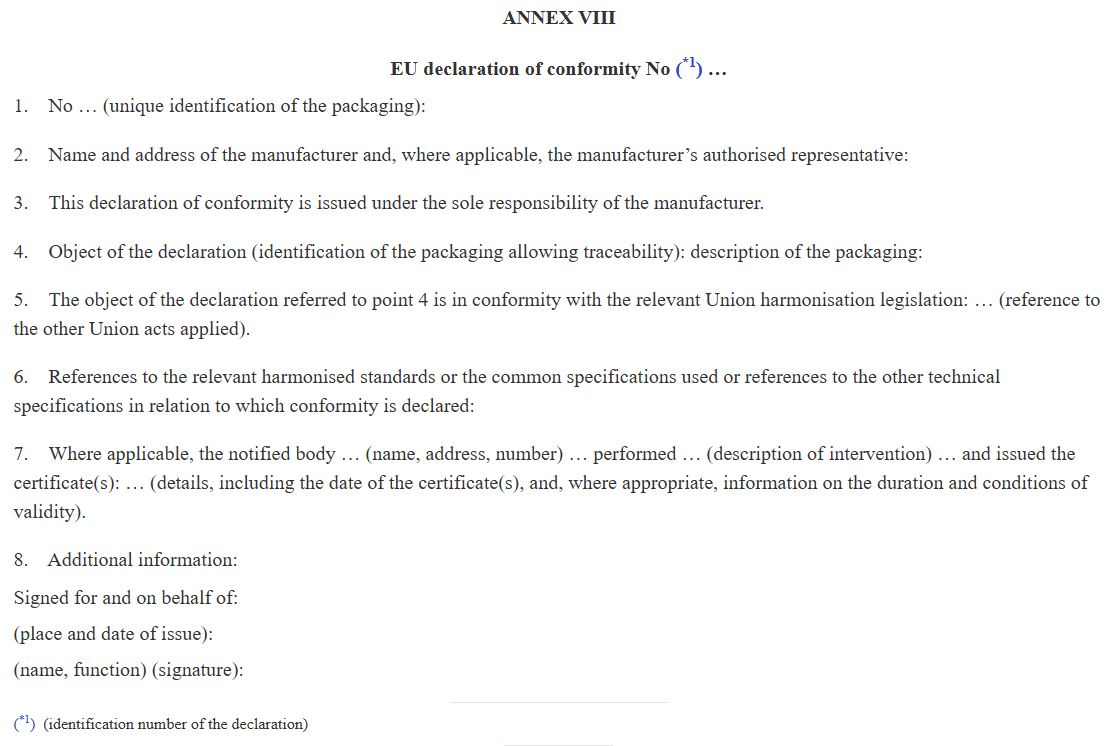
A model for the declaration of conformity is set out in Annex VIII PPWR.

Important for practice: While the general obligation to place only compliant packaging on the market takes effect on August 12, 2026, where the PPWR still provides for implementing acts or delegated acts for specific requirements, those specific requirements do not apply until the later dates specified therein and do not need to be assessed in the context of the declaration of conformity until then.

From August 12, 2028, or 24 months after the entry into force of the relevant implementing acts, whichever is later, packaging covered by Article 12 must be marked. A harmonized label indicating the material composition of the packaging must facilitate consumer sorting.

Not all packaging is subject to this labeling requirement. Excluded are, in particular, transport packaging – apart from packaging for e-commerce – as well as packaging covered by a deposit and return system.

Registration obligation (Art. 44 (2)): Producers must register in every member state in which they place packaging or packaged products on the market for the first time, or in which they unpack packaged products without being the final consumer.

Producers bear the financial responsibility under EPR. Their financial contributions must in particular cover the costs of the collection, transport and treatment of packaging waste, as well as the costs of labelling waste receptacles and carrying out studies on the composition of mixed municipal waste (Art. 45(1) and (2)). The specific design of the EPR schemes, and therefore also the practical level and structure of the fees, has not yet been finally defined, as this is largely left to the Member States.

  • Heavy metal concentration levels (Art. 5): The sum of lead, cadmium, mercury and hexavalent chromium must not exceed 100 mg/kg. The limits are consistent with the requirements of Directive 94/62/EC that are already in force.
  • Recyclability: Under Article 6(1) PPWR, all packaging placed on the market must be recyclable. The specific harmonized design-for-recycling criteria and the performance grades A, B, and C will be laid down by the Commission by January 1, 2028, through delegated acts and will become binding from January 1, 2030, or 24 months after the entry into force of those delegated acts, whichever is later. The “recycled at scale” requirement will generally apply from January 1, 2035, or five years after the entry into force of the relevant implementing act, whichever is later.
  • Important for practical application: Although Article 6(1) of the PPWR takes effect on August 12, 2026, the specific requirements regarding recyclability do not apply until 2030 and 2035, respectively; therefore, there is currently no requirement to assess recyclability as part of the declaration of conformity.
  • Recycled content (Art. 7): From 1 January 2030 or 3 years after entry into force of the implementing act, whichever is later, plastic packaging must contain minimum percentages of post-consumer recycled content depending on the packaging category. For contact-sensitive plastic packaging made from PET as the major component, the minimum is 30%; for contact-sensitive plastic packaging made from materials other than PET, 10%; for single-use plastic beverage bottles, 30%; and for other plastic packaging, 35%. 
  • 12 August 2026: Applicability of key manufacturer obligations, in particular regarding conformity assessment, technical documentation, and the EU declaration of conformity.
  • Until 1 January 2028 Establishment of recycling criteria by delegated act
  • 12 August 2028 or 24 months after the entry into force of the relevant implementing acts, whichever is later: harmonized material-composition labelling for consumer sorting applies.
  • 1 January 2030: application of the harmonized design-for-recycling criteria and the start of the minimum recycled-content requirements, in each case subject to the later application dates provided for in the PPWR’s secondary legislation.

1. Official EU legislation: Regulation (EU) 2025/40 (PPWR)

2. Official EU guidance: Regulation (EU) 2025/40 (PPWR)

3. Official EU FAQ:  FAQ on Regulation (EU) 2025/40 (PPWR)

Still have questions about the PPWR?

As your packaging partner, we’re here to help.
×

PPWR new rules, clear direction

We help you ensure your packaging complies with all regulations.

Learn more

rose plastic B2B webshop

Buy simply the best packaging online

You can buy our high-quality packaging solutions like TwistPack Plus, UniBox and QuadroPack in our B2B online shop now.

  • Minimum order value of 100 €
  • Fast delivery & safe payment
  • Shipping via DPD or Dachser